
Trail Blazer: Dirt Bike Challenge
Reviews
Description
Terrain Variety and Course Design
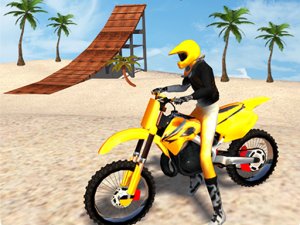
The game presents a selection of off-road environments that test a rider's ability to adapt. Beaches with loose sand require careful throttle management to avoid losing momentum. Construction sites introduce uneven surfaces and temporary obstacles that shift the bike's balance. Each track is built around natural features like hills and gullies, encouraging players to read the ground ahead and adjust their approach accordingly. The variety keeps each race feeling distinct and prevents the gameplay from becoming predictable.
Bike Handling and Physics
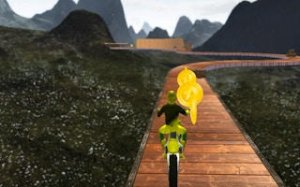
Controlling the dirt bike involves managing acceleration, braking, and leaning. The physics model simulates weight transfer during turns and jumps, meaning that sudden inputs can cause the bike to wobble or tip. Smooth, gradual adjustments to the controls lead to more stable riding. When airborne, leaning forward or backward changes the bike's pitch, which affects landing stability. Mastering these mechanics is essential for maintaining speed through rough sections and executing clean landings after big jumps.
Competition and Progression
Races pit the player against computer-controlled opponents on each track. Finishing positions determine progression to new courses and potentially unlock additional bikes or customization options. The difficulty ramps up as tracks become more technical, requiring players to apply the skills they have learned. Repeating earlier races can help refine techniques and improve lap times, which may be necessary to advance against faster rivals.
Skill Development and Strategy
Success in this game comes from practice and observation. Beginners benefit from taking slower laps to learn the layout of each track and identify tricky sections. As confidence grows, riders can experiment with carrying more speed through corners and using small jumps to maintain momentum. Watching how the bike reacts to different surfaces helps in planning lines that avoid deep ruts or loose gravel. The game rewards patience and a willingness to learn from mistakes rather than brute force.
Visual and Audio Atmosphere
The graphics aim to create an immersive sense of speed and environment. Dust kicks up from the rear tire, and the landscape changes as riders move from open beaches to tighter wooded areas. The sound of the engine changes with throttle input, providing audible feedback about speed and load. These elements work together to make the player feel connected to the bike and the trail, enhancing the overall experience of off-road racing.



Player Comments
Sign in to comment
You must be logged in before posting a review or rating.
No account? Create one
No comments yet. Be the first to comment!